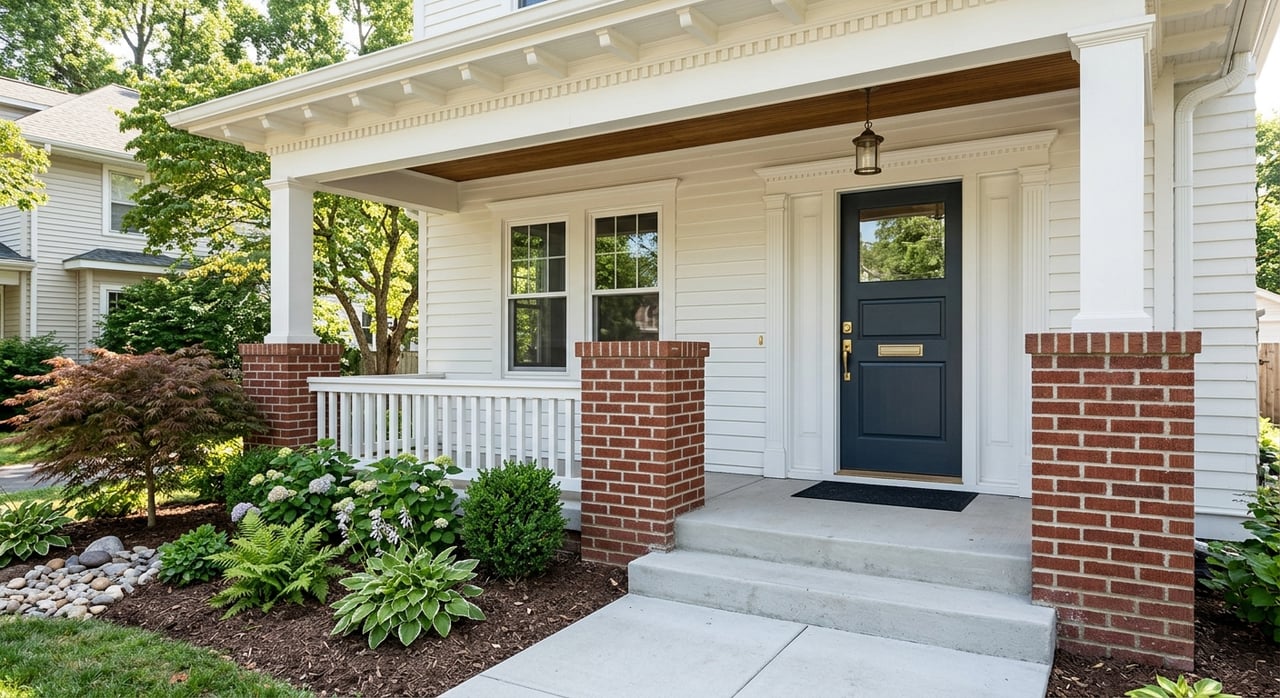
Thinking about updating an older Nebraska City home? It is easy to fall in love with original woodwork, tall windows, sturdy floors, and a welcoming porch, then feel stuck when you start planning what needs to change. If you want a home that feels more comfortable and functional without stripping away its personality, a careful plan can help you protect what makes the house special while still making smart updates. Let’s dive in.
Why older Nebraska City homes deserve a careful approach
Nebraska City’s historic identity is a big part of its appeal. The city describes itself as Nebraska’s oldest incorporated city, and local housing data shows just how much older housing matters here.
About 35.2% of Nebraska City homes were built in 1939 or earlier, and 52.1% were built in 1959 or earlier. The city’s comprehensive plan notes that Nebraska City has a number of excellent older homes, while also recognizing that the age of the housing stock can point to a need for rehabilitation.
That combination matters if you are buying, selling, or improving a property. In many cases, the best results come from treating updates as both preservation and maintenance, not just remodeling for looks.
Start with a plan before demo
Older homes usually reveal surprises once work begins. That is why the smartest first step is to understand the property’s condition, its permit needs, and whether it may have historic status before you start tearing anything out.
Nebraska City lists a building permit application for projects in Nebraska City and Otoe County. If the property is outside Nebraska City limits, a county zoning permit is required.
The current permit form references the 2018 International Building Code and 2018 International Residential Code. It also states that fees must be paid before the permit is issued and that construction must begin within 180 days.
For larger jobs, the permit process may involve several inspections, including footings, rough-in, framing, and final inspection. The form also states that a final inspection and certificate of occupancy are required before occupancy, so timeline planning is just as important as budgeting.
Check historic status early
If a home is historic, or may qualify for historic incentives, early planning becomes even more important. The Nebraska State Historic Preservation Office recommends consulting early and often.
That matters because applications for certain historic incentive programs must be submitted before work starts. If the approved project scope changes, those changes must be amended before they are carried out.
Keep the features that create character
When people talk about a home’s character, they are usually talking about the parts you notice right away. In an older Nebraska City home, that might include original trim, solid wood doors, stair parts, flooring, porches, built-ins, or the overall layout and exterior appearance.
The Secretary of the Interior’s Standards for Rehabilitation say that historic character should be retained, distinctive materials and features should be preserved, and deteriorated features should be repaired rather than replaced whenever possible. If replacement is needed, the substitute should match the original appearance and stay compatible with the building.
In practical terms, that often means being selective. You can modernize the home while still protecting the elements that give it a sense of place.
What to preserve when possible
Focus first on visible, character-defining features such as:
- Original millwork and trim
- Wood doors and hardware
- Hardwood flooring
- Stair railings and newel posts
- Front porches and columns
- Built-ins and other custom details
- Original window sash and casing
These details often do more to hold a home’s identity together than a full cosmetic overhaul.
What often makes sense to update
In many older homes, modern upgrades are best directed toward function and long-term performance, including:
- Kitchens and baths
- Storage improvements
- Outdated fixtures and finishes
- Mechanical systems and major appliances
- Insulation and air sealing
- Worn materials that are no longer serviceable
That selective approach usually gives you the best balance between livability and character.
Upgrade comfort without overcorrecting
Energy efficiency matters, especially in older homes, but replacement is not always the best answer. Preservation guidance from the National Park Service says historic preservation and energy efficiency are not mutually exclusive, and many common problems come from air leaks around windows and doors and missing insulation in attics or walls.
The same guidance says energy improvements can be appropriate as long as they do not diminish historic character or damage historic materials. In other words, you do not have to choose between comfort and charm.
Prioritize high-value energy improvements
A measured approach usually works best. Consider improvements like:
- Air sealing around windows and doors
- Weatherstripping
- Repairing glazing or sash issues
- Adding storm windows where appropriate
- Improving attic insulation
- Evaluating basement insulation options
- Updating mechanical systems when needed
The National Park Service specifically notes that energy performance alone is not a reason to replace historic windows. Repair, weatherstripping, and storm windows can often improve performance while keeping the original windows in place.
For insulation, the guidance recommends focusing on attics and basements when possible. Wall insulation can trap moisture and damage historic finishes, so that decision should be made carefully.
Use an energy audit to guide choices
If you are not sure where to start, a home energy audit can help. The National Park Service notes that an audit can identify air infiltration, missing insulation, and mechanical-system issues, while helping homeowners prioritize cost-effective improvements.
That can keep you from spending money in the wrong places. In an older home, targeted fixes often outperform broad, unnecessary replacement work.
Build safety checks into the renovation plan
Older homes need more than design ideas and contractor bids. They also call for a few smart safety checks before renovation ramps up.
Lead paint matters in pre-1978 homes
The EPA says homes built before 1978 are more likely to contain lead-based paint. If renovation work may disturb old paint, homeowners should use lead-safe certified contractors.
If you are buying or selling a pre-1978 property, lead disclosures are also an important part of the transaction. This is one reason older-home planning should begin early.
Radon testing is especially important in Nebraska
Nebraska DHHS says the state has a very high incidence of radon in homes, with more than half of test results above the 4.0 pCi/L action level. It also says testing is the only way to know whether a home has been exposed.
That makes radon testing a smart step for older Nebraska City homes, especially before closing on a purchase or before finishing a basement.
Know when to bring in the right specialists
Not every contractor is the right fit for an older home. If the work involves masonry repair, window restoration, trim replication, or other detail-heavy projects, preservation experience matters.
The Nebraska State Historic Preservation Office recommends hiring professionals with a proven record in historic preservation and checking references carefully. That can help you avoid repairs that solve one problem but erase the home’s original character.
Understand local incentives and limits
In some cases, historic incentives may help offset costs, but the rules matter. The Nebraska State Historic Preservation Office says the state historic tax credit can reach up to 30% in counties outside metropolitan and primary-class counties for qualified rehabilitation expenditures.
The same guidance also explains that private single-family detached residences do not qualify for the federal or state historic tax credit. However, the Valuation Incentive Program can be used on a personal home.
That means incentive eligibility depends heavily on the property type and project details. It is worth checking before work starts, not after plans are finalized.
Do not overlook local utility benefits
Some practical upgrades may come with local support. Nebraska City Utilities says it offers natural-gas appliance rebates for certain replacements.
The utility also has a tree rebate program that reimburses half the cost of one Energy Saving Tree up to $100. If your plans include landscaping work, that may be a useful extra.
And if your project involves digging, Nebraska City Utilities reminds customers to call 811 before starting. That small step can prevent expensive problems and safety issues.
What buyers and sellers should keep in mind
If you are buying an older Nebraska City home, look beyond surface finishes. Pay attention to condition, code-related updates, safety testing, and whether the features you love are still intact and repairable.
If you are selling, thoughtful improvements can help buyers see value without making the house feel stripped of its original identity. Updates that improve function, maintenance, and comfort often make a stronger impression than trend-driven changes that do not fit the home.
For both buyers and sellers, the biggest advantage comes from planning clearly from the start. In a market with so many older homes, understanding renovation scope, permit timing, and preservation choices can protect both your budget and the home’s long-term appeal.
If you are weighing an older home purchase, planning updates before listing, or trying to understand the renovation potential of a property in Nebraska City, The Home Team can help you think through condition, value, and next steps with a practical, informed approach.
FAQs
What should you update first in an older Nebraska City home?
- Start with condition, safety, and function first, including permits, inspections, lead and radon considerations, mechanical systems, and weatherization before cosmetic upgrades.
Do older homes in Nebraska City usually need permits for renovation work?
- Many projects do require permits, and Nebraska City’s permit process may include inspections such as footings, rough-in, framing, and final inspection depending on the work.
Can you improve energy efficiency without replacing original windows in an older Nebraska City home?
- Yes. Preservation guidance says repair, weatherstripping, storm windows, and glazing improvements can improve performance while keeping original windows in place.
Should you test for radon in an older Nebraska City home?
- Yes. Nebraska DHHS says Nebraska has a very high incidence of radon in homes, and testing is the only way to know whether levels are elevated.
Are historic tax credits available for a personal home in Nebraska City?
- Private single-family detached residences do not qualify for the federal or state historic tax credit, but the Nebraska State Historic Preservation Office says the Valuation Incentive Program can be used on a personal home.