If you want top-dollar interest for your Lincoln home, hoping buyers “see the potential” is rarely the best plan. Buyers in today’s market move fast online, compare homes side by side, and notice condition right away. The good news is that smart prep does not have to mean a full remodel. With the right fixes, clean presentation, and honest marketing, you can improve how your home shows and how confidently buyers write offers. Let’s dive in.
Why prep matters in Lincoln
Lincoln is still a market where well-presented homes can attract strong attention, but buyers are not ignoring condition. Realtor.com’s April 2026 summary for Lincoln shows a median listing price of $369,900 and median days on market of 32, while Redfin’s Lancaster County data for the three months ending May 2026 shows a median sale price of $323,000 and an average of 20 days on market.
Those numbers tell an important story. Homes are selling, but buyers are comparing listings quickly and making decisions based on value, condition, and presentation. If your home looks move-in ready, clearly maintained, and well marketed, you put yourself in a stronger position.
Start with a pre-listing plan
One of the smartest first steps is understanding your home’s condition before it hits the market. A pre-listing inspection is not required, but it can help you spot issues early and reduce surprises later when a buyer completes their own inspection.
A typical inspection may review the structure, roof, exterior, plumbing, electrical, heating and cooling, interior features, insulation, ventilation, and fireplaces. It may also include testing for items like radon, mold, lead paint, or asbestos, depending on the property and situation.
For sellers, the value is simple. You get more time to decide what to repair, what to leave as-is, and how to price the home based on known conditions instead of guesswork.
How a pre-listing inspection helps
- Identifies visible and hidden issues before showings begin
- Helps you plan repair dollars more wisely
- Reduces last-minute surprises during contract negotiations
- Supports clearer, more accurate property disclosures
- Gives you time to gather estimates and receipts if repairs are needed
At The Home Team, this kind of preparation fits a practical, low-stress selling strategy. Instead of reacting to problems after a buyer is under contract, you can make informed decisions up front.
Understand Nebraska disclosure requirements
In Nebraska, sellers of most residential real property must provide a written disclosure statement. The Nebraska Real Estate Commission states that sellers should complete it thoroughly and have it available for interested buyers.
The disclosure covers the seller’s known condition of the property. That can include appliances, electrical systems, heating and cooling, water and sewer systems, material defects, hazardous conditions, title conditions, utility connections, and certain transfer-fee obligations.
This form is not a warranty. It is a disclosure of what you know. That is why it helps to start early, gather records, and understand your home’s condition before listing.
Paperwork to gather before listing
- Repair receipts
- Warranties
- Appliance manuals
- Inspection reports
- Notes on updates or replacements
If your home was built before 1978, lead-based paint disclosure rules also apply. Being organized can help buyer questions get answered faster and keep the sale moving.
Focus on repairs buyers notice first
Not every repair deserves equal time or money. If you want the best return on your effort, prioritize the fixes buyers can see, feel, and worry about immediately.
According to NAR’s 2025 Remodeling Impact Report, the projects REALTORS most often recommend before selling are painting the entire home, painting one room, and new roofing. The same report notes growing demand for kitchen upgrades, new roofing, and bathroom renovations, and says 46% of buyers are less willing to compromise on the home’s condition.
That means your first dollars often go furthest when they address obvious wear and function-related issues.
Repairs worth considering first
- Fresh interior paint in worn or highly personalized rooms
- Roof issues or missing shingles
- Outdated or visibly worn kitchen surfaces
- Bathroom wear that signals deferred maintenance
- HVAC, plumbing, or electrical problems buyers may notice during showings
- Stained walls, damaged trim, or broken fixtures
You do not always need a major renovation. In many homes, a clean, well-maintained look matters more than an expensive overhaul.
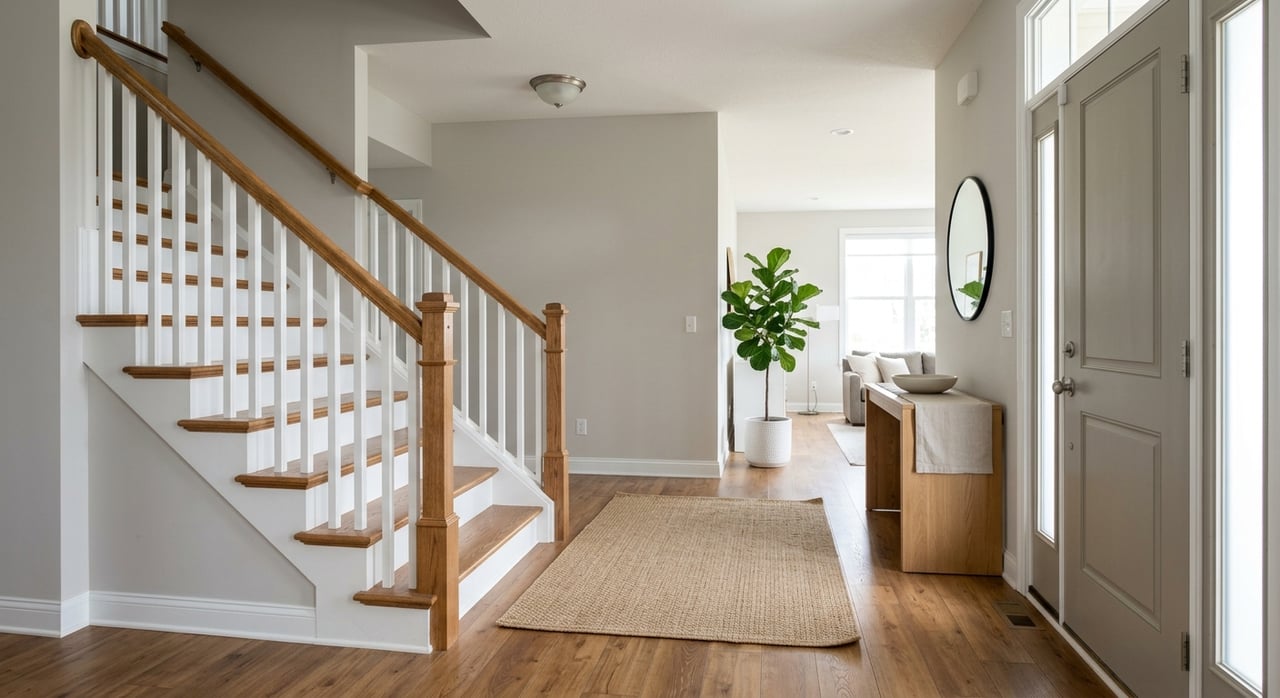
Boost curb appeal before buyers walk in
First impressions start at the curb and often begin online. If the exterior looks neglected, buyers may assume the inside has similar issues.
Low-cost exterior improvements can make a meaningful difference. NAR recommends improving the front entrance, landscaping, and overall exterior appearance, and curb appeal remains one of the most common seller recommendations.
Simple curb appeal wins
- Mow and edge the lawn
- Trim overgrown shrubs
- Refresh mulch if needed
- Sweep walks and porches
- Clean the front door and entry hardware
- Replace dead plants or seasonal containers
- Touch up peeling paint where visible
These steps help your home feel cared for from the first photo to the first showing.
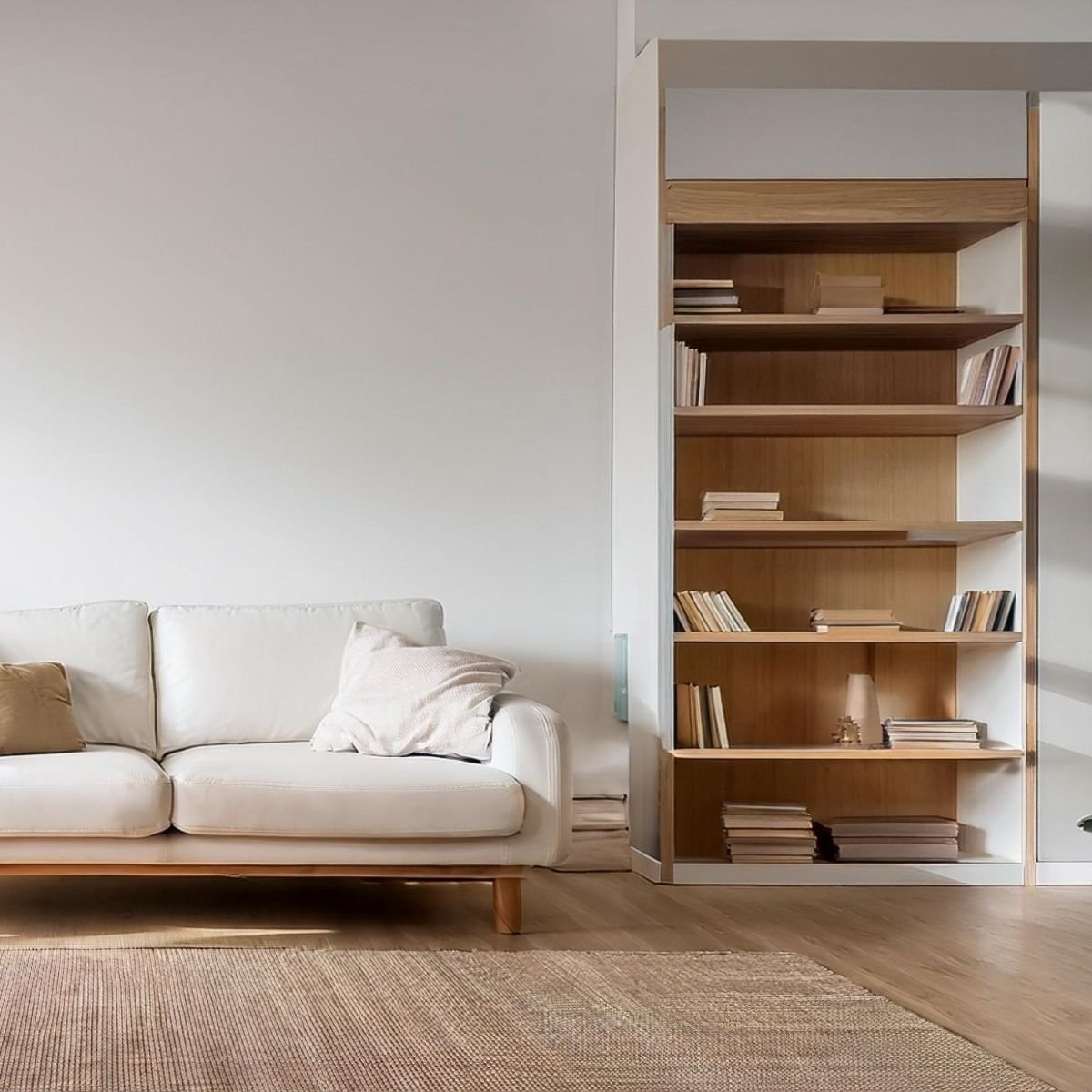
Clean, declutter, and simplify every room
A clean home feels larger, brighter, and easier for buyers to picture as their own. NAR’s 2025 staging report found that agents most commonly recommend decluttering the home, cleaning the entire home, and improving curb appeal.
This is one of the highest-impact steps because it affects every showing, every photo, and every open-house impression. It also helps buyers focus on the home itself instead of your daily life inside it.
Areas to clean carefully
- Windows
- Carpets and flooring
- Light fixtures
- Walls and baseboards
- Kitchen counters and cabinet fronts
- Bathrooms and grout lines
What to declutter
- Overflow from countertops
- Extra furniture that makes rooms feel tight
- Personal items scattered in bathrooms and bedrooms
- Packed closets and storage spaces
- Pet items, cords, and visual distractions
If you are still living in the home during the sale, aim for a calm, simple look. Think less about decorating and more about making rooms feel open, functional, and easy to understand.
Stage the rooms that influence buyers most
Staging does not have to mean redesigning your whole home. It means helping buyers see the purpose, size, and flow of key spaces.
NAR’s 2025 staging report found that staging led to a 1% to 10% increase in the dollar value offered in 29% of agents’ experience and reduced time on market in 49% of sellers’ agents’ experience. Buyers’ agents also said staging made it easier for buyers to envision the property as a future home.
The rooms most often staged are the living room, primary bedroom, dining room, and kitchen. If you are deciding where to invest time or money, those are smart places to start.
Best rooms to stage first
- Living room
- Primary bedroom
- Dining room
- Kitchen
The median cost for a staging service was $1,500 in the NAR report, so it can help to compare a professional staging quote with a focused DIY plan. For some sellers, even partial staging or styling guidance can improve results.
Invest in honest, professional marketing
Most buyers will meet your home online before they ever step inside. That makes visual presentation a major part of your sale strategy.
NAR reports that 81% of buyers rated listing photos as the most useful feature during their online search. Buyers’ agents also said photos, videos, and virtual tours were highly important to clients.
That supports using strong marketing assets such as:
- Professional photography
- Floor plans
- Video
- 3D or virtual tour media
- Drone photography or video when appropriate for the property
For a Lincoln seller, this matters because online competition is real. When buyers compare listings on a phone or laptop, strong visuals can earn the showing. Weak visuals can cost you that chance.
Keep marketing accurate
Professional does not mean exaggerated. Buyers can feel misled when online images do not match reality.
If a photo is digitally altered or virtually staged in a way that changes the property’s appearance, that change should be disclosed clearly. Honest marketing builds trust, reduces disappointment at showings, and helps attract buyers who are truly a fit for the home.
Build your prep around value, not stress
Selling prep can feel overwhelming if you treat every project as urgent. A better approach is to sort your to-do list into three buckets: must-fix items, high-visibility improvements, and nice-to-have extras.
That process helps you protect your budget and your time. It also helps you avoid over-improving the home for the market.
A simple prep framework
Must-fix items
- Safety concerns
- Major roof, electrical, plumbing, or HVAC issues
- Problems that will likely come up in inspection or disclosure
High-visibility improvements
- Paint
- Deep cleaning
- Decluttering
- Entry and curb appeal updates
- Minor kitchen and bath refreshes
Nice-to-have extras
- Cosmetic projects with limited buyer impact
- Large upgrades that may not return full value
- Personal preference projects that do not broaden appeal
This is where a builder-minded real estate team can add real value. When you understand condition, likely buyer reactions, and the local market at the same time, it becomes easier to prep strategically instead of emotionally.
A smart Lincoln sale starts before listing day
The strongest home sales usually do not happen by accident. They come from good planning, practical repairs, clean presentation, and marketing that shows the home honestly and clearly.
In Lincoln, where buyers are moving quickly but still weighing condition closely, smart prep can improve both speed and offer quality. If you want a clear plan for what to fix, what to skip, and how to position your home for the market, start your home journey and schedule a free consultation with The Home Team.
FAQs
What home repairs matter most before selling a house in Lincoln?
- The most important repairs are usually the ones buyers notice right away or that raise concerns about maintenance, such as paint, roofing issues, worn kitchen or bathroom areas, and visible HVAC, plumbing, or electrical problems.
What disclosures are required when selling a home in Nebraska?
- For most 1-to-4 unit residential sales, Nebraska requires a Seller Property Condition Disclosure Form that shares the seller’s known condition of the property before the buyer becomes obligated to buy.
Is a pre-listing inspection worth it for a Lincoln home seller?
- A pre-listing inspection can be helpful because it may reveal issues before showings begin, giving you more time to decide what to repair, what to disclose, and how to price the home.
Does home staging help a home sell faster in Lincoln?
- Staging can help by making it easier for buyers to picture the home and, according to NAR’s 2025 staging report, it has reduced time on market in many sellers’ agents’ experience.
What marketing materials help a Lincoln home stand out online?
- Professional photos are especially important, and strong listings may also benefit from floor plans, video, virtual tours, and drone media when appropriate for the property.