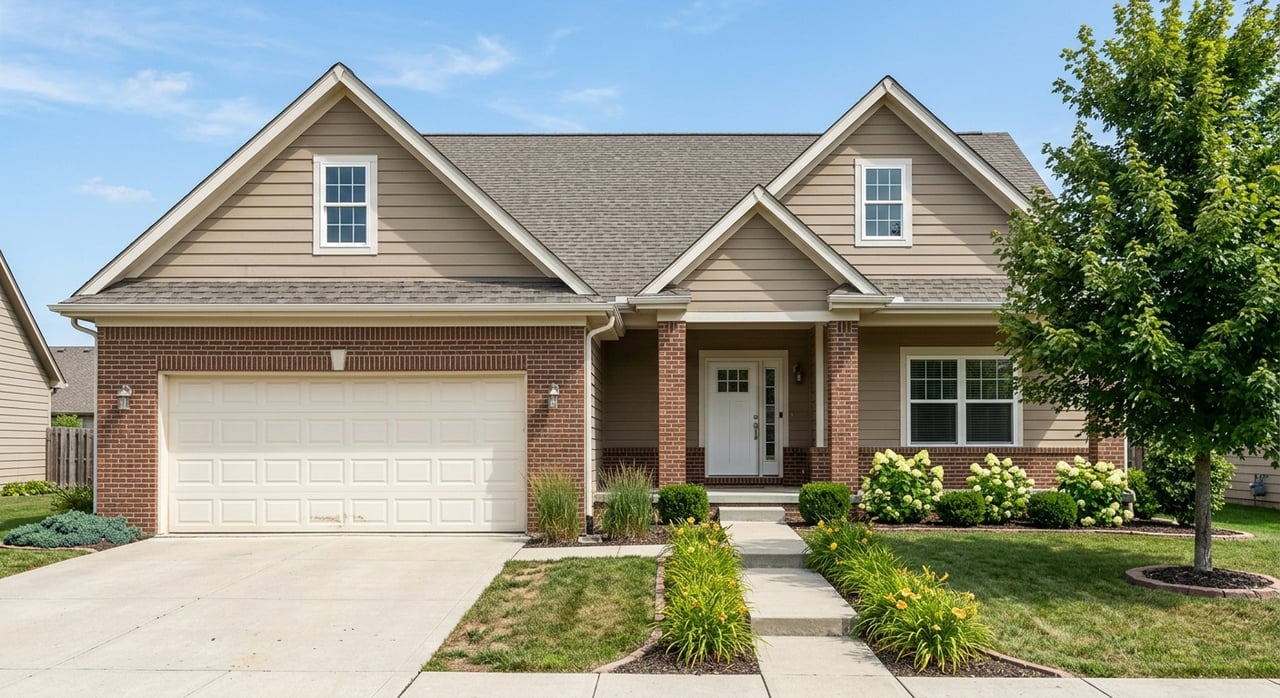
If you are shopping for a starter home in Lincoln, it is easy to get distracted by fresh paint, trendy floors, or a cute front porch. But in this market, the real question is not just whether a home looks good. It is whether the home’s condition will protect your budget, safety, and peace of mind after closing. This guide will help you focus on the condition factors that matter most in Lincoln so you can sort true red flags from manageable projects. Let’s dive in.
Why condition matters in Lincoln
Lincoln has a large share of single-family homes, and much of the local housing stock is older. The City of Lincoln’s 2023-2027 consolidated plan reported that 58% of occupied units were one-unit detached structures, and 54% of both owner-occupied and renter-occupied units were built before 1980.
That age matters because older homes often come with deferred maintenance, aging systems, and building materials that need closer review. Lincoln also treats issues like structural hazards, faulty weather protection, unsafe electrical or plumbing, inadequate exits, and unsafe equipment as substandard conditions under its local code framework.
Weather adds even more pressure to a home’s condition. Lincoln’s 2025 climate summary recorded 134 days with lows at or below freezing, 18.4 inches of snowfall, 47 days with highs at or above 90 degrees, and wind gusts up to 90 mph. In practical terms, that means your roof, windows, insulation, exterior sealing, and heating and cooling systems do a lot of heavy lifting here.
Start with water intrusion
If you are trying to prioritize inspection findings, start with water. In Lincoln, local housing programs put water intrusion, plumbing leaks, mold causes, and roof repair near the top of the list for a reason.
The city’s Healthy Homes Grant prioritizes roof repair, plumbing leaks, and other causes of mold growth. Lincoln’s earlier rental rehabilitation pilot also funded roofing, foundation repairs, insulation, and energy-efficient windows and doors, which reinforces how important the building envelope is in this market.
When water gets in, the problem rarely stays small. A minor leak can turn into damaged framing, mold growth, ruined insulation, stained ceilings, and higher repair bills. If a starter home shows signs of active leaks, musty smells, fresh patchwork in suspicious places, or drainage issues around the foundation, those deserve immediate attention.
Water issues to watch for
- Roof stains or active ceiling leaks
- Damp basement walls or floors
- Peeling paint near windows or trim
- Soft spots around tubs, showers, or sinks
- Musty odors that may point to hidden moisture
- Grading that appears to slope toward the house
Prioritize electrical and life safety
After water, focus on electrical and basic safety items. Lincoln’s Healthy Homes Grant specifically prioritizes electrical systems, smoke alarms, carbon monoxide alarms, exterior doors and locks, and climate control.
This is not just about convenience. It is about whether the home supports safe day-to-day use. Unsafe wiring, missing alarms, or poor heating can create risk right away and may also affect financing or insurance.
Lincoln-Lancaster County Health Department says carbon monoxide is the most dangerous indoor air pollutant. The department recommends carbon monoxide detectors if a home has gas-fired appliances and advises placing them on every floor or near sleeping areas.
Safety-related findings that deserve quick action
- Exposed or outdated-looking wiring
- Frequent breaker trips
- Missing smoke alarms
- Missing carbon monoxide detectors where gas-fired appliances are present
- Exterior doors that do not close or lock properly
- No dependable heat source
Foundation and structure can change everything
Cosmetic flaws can usually wait. Structural problems usually cannot. If an inspection points to serious foundation movement or structural instability, that should move to the top of your decision list.
The city’s code framework treats structural hazards and poor weather protection as substandard conditions. Research in your report also notes that serious flaws like a cracked foundation can be reason enough for a buyer to walk away if the inspection is unsatisfactory.
Not every crack is a deal-breaker, but not every crack is harmless either. The key is understanding whether a crack appears cosmetic or whether it may point to movement, water entry, or broader structural stress. This is where a careful inspection matters most.
Is a foundation crack cosmetic or structural?
A small crack is not automatically a major problem. What matters is the pattern, size, location, and whether there are related signs like sticking doors, sloped floors, or water intrusion.
If the report suggests ongoing movement or significant structural concern, treat that as a high-priority item. A home can still be worth buying in some cases, but you need clear repair information, realistic pricing, and a plan before moving forward.
HVAC, windows, and insulation affect monthly costs
Starter-home buyers often focus on the purchase price, but monthly ownership costs matter just as much. In Lincoln, where winter cold and summer heat both put strain on a home, HVAC performance, window condition, and insulation can strongly affect comfort and utility bills.
The Healthy Homes Grant includes climate control and broken windows among its priorities. Lincoln’s earlier rehab work also included insulation and efficient windows and doors, which shows these are not luxury upgrades. They are core condition items.
A home with an aging furnace, drafty windows, or poor insulation may still be workable, but you should budget for it honestly. These issues may not feel as dramatic as a foundation problem, but they can add up fast once you move in.
Questions to ask about efficiency-related items
- Does the home heat and cool evenly?
- Are windows cracked, fogged, or drafty?
- Are there obvious gaps around doors or trim?
- Does the HVAC system appear near the end of its expected service life?
- Is there evidence of insulation upgrades or older, underperforming materials?
Plumbing deserves a closer look
Plumbing problems can be messy, expensive, and easy to underestimate. Lincoln Water System notes that while the city owns the water mains, the plumbing from the main into the house is privately owned, and private plumbing can affect water quality.
For buyers, that means older service lines, aging fixtures, and water heaters should be treated as real maintenance items. They are not just minor annoyances. They can affect function, repair costs, and your long-term ownership experience.
Pay attention to water pressure, visible corrosion, slow drains, signs of past leaks, and the age of the water heater. In older Lincoln homes especially, plumbing should be part of your serious-condition review.
Older Lincoln homes need lead awareness
Because so much of Lincoln’s housing stock predates 1980, lead awareness matters. The research report notes that 87% of homes built before 1940 have some lead-based paint, and 24% of homes built between 1960 and 1978 do.
For most pre-1978 housing, sellers and landlords must disclose known lead-based paint hazards before sale or lease, and buyers can request an independent inspection. Lincoln’s own Lead Paint Grant applies to properties built before 1978 with identifiable lead hazards, which shows this remains a practical local issue.
Lead does not mean an older home is automatically off the table. It does mean you should understand the risk, ask the right questions, and be prepared for possible testing or treatment if hazards are present.
Radon testing matters in old and new homes
Many buyers assume radon is only an older-home issue. In Lincoln, that is not the case.
Lincoln-Lancaster County Health Department says any home may have a radon problem, including new homes, older homes, well-sealed homes, drafty homes, homes with basements, and homes without them. The department recommends long-term radon test kits because levels can vary with weather and other conditions.
The research report also notes that action is recommended at 4 pCi/L or higher, and Lincoln’s Lead Paint Grant requires mitigation when results are above 4.0 pCi/L. So even if a starter home looks updated and well maintained, radon testing is still a smart step.
Newer homes still need full inspections
A newer build can feel safer because the finishes look fresh and the systems are newer. That can help, but it should not replace due diligence.
The research report makes clear that home inspections remain useful for evaluating structural and mechanical systems, including HVAC and electrical. Local radon guidance also shows that newer homes are not exempt from radon risk.
In real life, newer homes can still have grading issues, drainage problems, roof flashing mistakes, HVAC concerns, or hidden moisture risks. A clean-looking home is not the same thing as a thoroughly evaluated home.
Red flags versus manageable projects
One of the biggest starter-home questions is simple: what should make you pause, and what can wait until after closing? A helpful way to think about it is to separate safety, structure, and financeability from cosmetic updates.
Common red flags
These issues deserve close review because they can affect safety, livability, or your ability to close:
- Serious foundation movement
- Active roof leaks
- Chronic water intrusion or mold
- Unsafe electrical conditions
- No dependable heat
- Major HVAC failure
- Lead hazards you are not prepared to manage
Usually manageable after closing
These items are often easier to tackle later if the home is otherwise sound:
- Paint color changes
- Worn but functional flooring
- Cabinet hardware updates
- Cosmetic light fixture swaps
- Noncritical finish-level improvements
That does not mean cosmetic projects are free. It means they usually should not distract you from the condition items that can truly reshape your budget and risk.
How to approach a Lincoln starter home strategically
When you walk through a home, try to think like an owner, not just a shopper. Ask yourself whether the big systems and the building envelope look stable enough to support your first few years in the home.
A simple order of priority can help:
- Water intrusion and roof condition
- Electrical and life-safety items
- Foundation and structure
- HVAC, windows, and insulation
- Plumbing condition
- Lead and radon risk
- Cosmetic upgrades
This kind of framework helps you avoid overreacting to dated finishes while still taking serious defects seriously. It also makes repair negotiations more focused and practical.
At The Home Team, this is where technical perspective can make a real difference. When you are comparing starter homes, understanding condition, repair scope, and long-term value can help you make a more confident decision instead of just chasing the prettiest listing photos.
If you want clear, practical guidance as you evaluate Lincoln starter homes, schedule a free consultation with The Home Team.
FAQs
What condition issues matter most in Lincoln starter homes?
- In Lincoln starter homes, the biggest priorities are usually water intrusion, roof condition, electrical safety, foundation and structural concerns, HVAC performance, window condition, insulation, plumbing, and health-related items like lead and radon.
Which inspection findings are true red flags for Lincoln buyers?
- For Lincoln buyers, major red flags include serious foundation movement, active roof leaks, chronic water intrusion or mold, unsafe electrical conditions, no dependable heat, major HVAC failure, and lead hazards a buyer is not prepared to address.
Should you test for radon in newer Lincoln homes?
- Yes. Lincoln-Lancaster County Health Department says any home may have a radon problem, including newer homes, so radon testing is a smart step regardless of the home’s age.
Is a foundation crack in a Lincoln home always a deal-breaker?
- No. Some cracks may be cosmetic, but others can point to structural movement or water entry, so the pattern, size, location, and related symptoms all matter.
What repairs can usually wait until after closing on a Lincoln starter home?
- In many cases, cosmetic updates like paint, flooring style changes, cabinet hardware, and light fixture swaps can wait until after closing if the home is otherwise safe, sound, and financeable.
Are older Lincoln homes more likely to need lead awareness?
- Yes. Because many Lincoln homes were built before 1980, buyers should pay close attention to potential lead-based paint issues in pre-1978 homes and review any available disclosures or inspection options.
What local programs may help Lincoln homeowners with condition issues?
- Lincoln buyers and homeowners may want to explore the city’s Healthy Homes Grant, Lead Paint Grant, and Lincoln-Lancaster County Health Department radon guidance for help addressing issues like water intrusion, electrical hazards, roof repair, lead, and radon.