Thinking about buying a fixer-upper in Omaha? The right house can be a smart opportunity, but the wrong one can turn a budget-friendly purchase into a costly surprise fast. If you want to know how to spot real potential, avoid major red flags, and budget with more confidence, this guide will walk you through a practical way to evaluate an Omaha fixer-upper before you commit. Let’s dive in.
Start With Omaha-Specific Due Diligence
Before you get attached to paint colors or layout ideas, focus on the local rules and risks that can affect your timeline and budget. In Nebraska, sellers of residential property with one to four units must provide a Seller Property Condition Disclosure Form before you become obligated to buy the property.
That disclosure is helpful, but it is only a starting point. It is based on the seller’s known condition, so you should still plan for your own independent inspections.
If the home was built before 1978, lead-based paint should be part of your evaluation. Federal law requires disclosure of known lead-based paint hazards for most pre-1978 homes, and renovation that disturbs lead paint may require certified firms and lead-safe work practices.
Radon also deserves special attention in Nebraska. The Nebraska Department of Health and Human Services says more than half of radon tests in the state are above the 4.0 pCi/L action level, which makes radon testing a high-priority item for many Omaha homes, especially those with basements or lower-level living space.
Review the Outside First
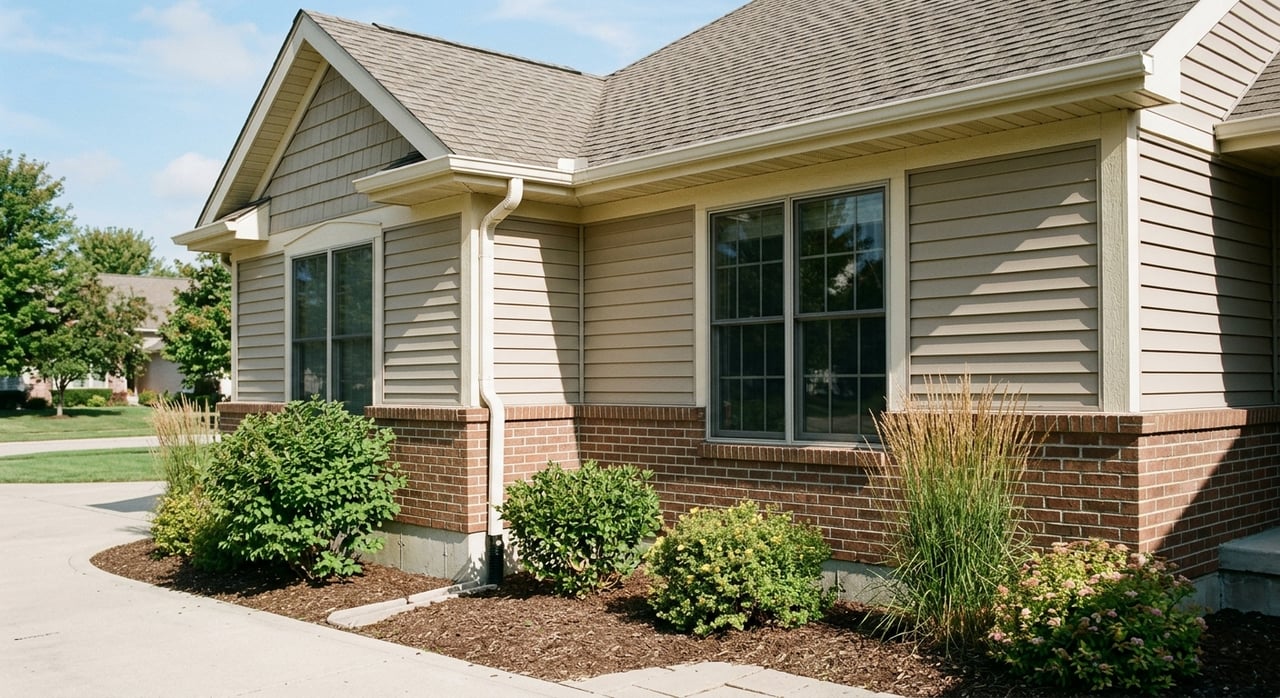
A fixer-upper often reveals its biggest clues before you ever walk through the front door. Start by looking at the roof, gutters, grading, drainage, siding, windows, driveway, and any signs that water is not moving away from the home properly.
This step matters because exterior issues can affect far more than curb appeal. Water management problems can lead to foundation concerns, basement moisture, and higher repair costs that do not show up in a cosmetic budget.
In Omaha, exterior work can also affect your schedule. The city notes that changes to a space may trigger permits and inspections, and work in the public right-of-way, such as certain driveway, sidewalk, curb, gutter, or alley-related work, may require permits before the project starts.
What to Notice Outside
When you tour the property, pay close attention to:
- Missing or damaged shingles
- Sagging gutters or poor drainage
- Soil sloping toward the house
- Cracked or uneven driveway sections
- Damaged siding or trim
- Older or visibly deteriorated windows
- Standing water or muddy spots near the foundation
Treat site work as its own budget category. A home may need simple interior updates but still carry expensive exterior or permit-related costs.
Watch for Foundation Red Flags
Foundation issues are one of the biggest reasons a fixer-upper budget can get out of control. Inside and outside the home, look for sloping floors, doors or windows that stick, diagonal wall cracks, and visible movement in the foundation.
Some cracks may be minor, but not all cracks are equal. A useful rule of thumb from the research is that cracks wide enough to fit a quarter deserve inspection by a foundation contractor.
Foundation repair costs can vary widely. The research places average foundation repair around $5,400, with a broad range from about $2,250 to $8,600 for many projects, and much higher costs for major shifting or replacement-level problems.
When to Bring in a Specialist
You should strongly consider a foundation contractor or structural specialist if you notice:
- Quarter-width cracks or larger
- Uneven or bouncy floors
- Doors and windows that no longer close correctly
- Signs of wall movement
- Repeated moisture or leak issues near the foundation
This is where an experienced advisor can help you slow down and separate a manageable repair from a deal that no longer makes financial sense.
Separate Cosmetic Updates From System Issues
One of the easiest mistakes buyers make is treating every problem like a remodel item. Fresh flooring, paint, cabinets, and fixtures are very different from issues involving electrical, plumbing, HVAC, sewer, or structural components.
A general home inspection typically reviews the electrical system, plumbing and waste disposal, water heater, insulation and ventilation, HVAC, water source and quality, pests, foundation, doors, windows, ceilings, walls, floors, and roof. That list is a useful checklist because it helps you sort true system risk from cosmetic wish-list upgrades.
If a home smells dated, that may be manageable. If it has slow drains, sewer odors, or gurgling pipes, that is a different conversation.
Sewer Problems Matter in Omaha
Omaha’s sewer department says the private service lateral, from the building to the main sewer connection, is the property owner’s responsibility. That means sewer problems are not just a maintenance annoyance. They can become a major ownership cost.
According to the research, sewer line repair averages about $2,150, while replacement averages about $4,000 and can exceed $20,000. Under-slab replacement can be especially expensive, so warning signs like repeated backups or gurgling drains should trigger a closer review.
Use Realistic Cost Ranges
Fixer-uppers are easier to evaluate when you build a rough budget before making emotional decisions. You do not need a perfect contractor bid on day one, but you do need realistic cost ranges for the items most likely to affect value.
Here are several national cost ranges from the research report that can help you underwrite more carefully:
| Item | Typical Cost Range |
|---|---|
| Roof replacement | About $6,700 to $80,000, average around $11,500 |
| Asphalt roof on 2,000 sq. ft. home | About $8,000 to $17,000 |
| Electrical panel replacement | About $550 to $3,000 |
| Full HVAC installation | About $5,000 to $15,000 |
| Water heater installation | About $900 to $3,000 |
| Window replacement | About $250 to $2,000 for one window |
| Bathroom remodel | About $2,500 to $30,000 |
| Kitchen remodel | About $12,000 to $60,500 |
| Foundation repair | About $200 to $52,500 |
| Sewer line replacement | About $4,000 to $20,000+ |
These figures are not a substitute for contractor quotes. They are a reality check that helps you decide whether the asking price still works once likely repairs are added.
Prioritize Repairs That Protect Value
Not every update deserves equal weight. If your goal is resale value, broad buyer appeal, safety, and maintenance usually matter more than highly customized upgrades.
The research shows that smaller, visible projects and maintenance-focused improvements often recover more at resale than major luxury remodels. Examples include garage door replacement, steel entry door replacement, and minor kitchen remodels, while large upscale remodels tend to recover less.
That does not mean you should ignore kitchens or bathrooms. It means you should first focus on the repairs that make the home sound, functional, and marketable.
A Smart Repair Priority List
For many Omaha fixer-uppers, a practical order looks like this:
- Health and safety issues like lead concerns, radon testing, and major water intrusion
- Structural items like foundation movement and roof failure
- Mechanical systems like electrical, plumbing, HVAC, and sewer
- Exterior water management like grading, gutters, and drainage
- Visible buyer-facing updates like paint, flooring, lighting, and a minor kitchen or bath refresh
This sequence can help you avoid overspending on finishes while bigger issues still sit underneath the surface.
Know When Permits Affect the Plan
Some fixer-upper buyers budget for labor and materials but forget about approvals and inspections. In Omaha, changes to a space may trigger permitting requirements and inspections, and the city advises consulting a contractor or architect about required approvals before work is completed.
This becomes even more important if your project includes layout changes, utility updates, or exterior work. A straightforward cosmetic refresh is very different from a renovation that affects electrical, plumbing, the building envelope, or public right-of-way areas.
If your timeline is tight, permit review can change the math. Build extra time and contingency into any project that goes beyond simple surface updates.
Bring in the Right Professionals Early
A fixer-upper is not a project where you want to guess your way through due diligence. The right experts can help you identify true risk before you close, not after.
A general home inspector should be part of your process before you make a final commitment, or your offer should be contingent on a satisfactory inspection. If more specific concerns appear, bring in the right specialist for that issue.
Who to Call and When
Consider adding these professionals when needed:
- General home inspector for an overall condition review
- Foundation contractor or structural specialist for major cracks, uneven floors, or sticking doors and windows
- Radon tester for Omaha-area homes, especially with lower-level living space
- EPA-certified lead professional or renovator for pre-1978 homes where paint disturbance is likely
- Licensed plumber for sewer odors, gurgling drains, repeated backups, or private lateral concerns
- Contractor or architect when the renovation may trigger permits or inspections
This step aligns with a smart buyer strategy. You are not trying to make a house perfect. You are trying to understand what you are really buying.
Evaluate the Deal, Not Just the House
A fixer-upper can still be a good opportunity even when it needs work. The key is making sure the total cost, repair scope, timeline, and future value all line up with your goals.
That is where a builder-minded real estate team can make a real difference. When you have guidance grounded in both market knowledge and renovation practicality, it gets much easier to spot hidden costs, estimate likely work, and decide whether to move forward, renegotiate, or walk away.
If you are thinking about buying a fixer-upper in Omaha and want a practical second opinion on condition, cost, and next steps, The Home Team can help you evaluate the opportunity with clarity and confidence.
FAQs
What should you inspect first in an Omaha fixer-upper?
- Start with the exterior, including the roof, gutters, grading, drainage, siding, windows, driveway, and visible water-management issues.
What disclosure should sellers provide for Nebraska residential property?
- In Nebraska, sellers of residential property with one to four units must provide a Seller Property Condition Disclosure Form before a buyer becomes obligated to purchase.
Why is radon testing important for Omaha homes?
- Nebraska reports that more than half of radon tests in the state are above the 4.0 pCi/L action level, so radon testing is a high-priority due diligence step for many Omaha homes.
What are common foundation warning signs in a fixer-upper home?
- Common warning signs include sloping floors, sticking doors or windows, diagonal wall cracks, and visible foundation movement.
Who is responsible for a private sewer lateral in Omaha?
- In Omaha, the property owner is responsible for maintenance and repair of the private service lateral from the building to the main sewer connection.
When do Omaha renovation projects need permits?
- Omaha notes that changes to a space may trigger permits and inspections, and some exterior work involving the public right-of-way may also require permits before work begins.