Choosing a neighborhood shapes your day-to-day more than almost any other decision. If you are raising kids or planning to, you want a place that fits school routines, play spaces, commutes, and budget. You also want clear, honest guidance on what living in each part of Lincoln really feels like. This guide walks you through the major neighborhood styles, daily life details, parks and programs, school checks, and smart buyer tips, so you can focus on what matters. Let’s dive in.
How Lincoln lives day to day
Lincoln is a mid-sized state capital with a university heartbeat. You get a strong mix of family-focused neighborhoods along with the cultural perks of the downtown and University of Nebraska–Lincoln. The city has four distinct seasons, so plan for cold, snowy winters and hot summers. Winter brings heating and snow removal needs, while summer opens up pools, trails, and playgrounds across the city.
The job base pulls people to several nodes. UNL, state government, and healthcare centers create steady commutes to downtown and campus, while east–west industrial and commercial areas draw traffic during peak hours. The upside for families is scale. Many neighborhoods offer 15 to 30 minute drives to major employers depending on exact location and time of day.
Neighborhood styles you will explore
Lincoln’s family neighborhoods fall into a few clear experiences. Think about what matters most for your family: walkability, yard size, school proximity, or a quieter street pattern. Each style below includes a quick day-in-the-life to help you picture it.
Close-in historic and mature areas
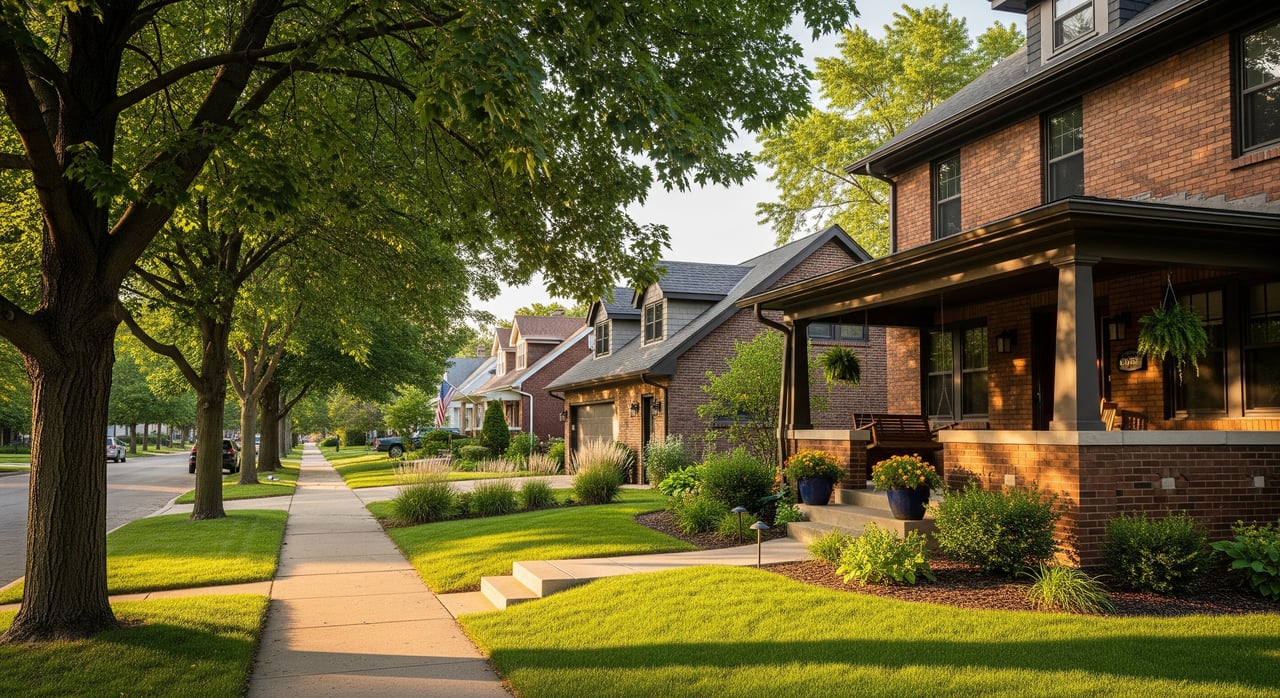
These are tree-lined streets with character homes like bungalows, Tudors, and brick colonials. Yards are smaller, sidewalks are common, and services are close. You will see a mix of ages and home updates, so plan for upkeep in exchange for location and charm.
Day in the life: You wake to birds in big trees, drive a few minutes to preschool, and hit a pocket park after work. Evenings might include a short trip to a local library branch or a quick stop downtown for an event. Weekends often mean exploring the zoo or a nearby garden.
Buyer notes: Older homes can carry lower purchase prices but higher maintenance. Budget for inspection items and plan updates in phases. Walkability is a plus, and parking is often on-street or in smaller garages.
Established residential near parks and schools
These mid-century and later neighborhoods have ranch or split-level homes, neighborhood pools, and long-standing community programs. Families value their steady feel and quick access to parks. Examples people often research include parts of Havelock, the Country Club area, and the Holmes Lake vicinity.
Day in the life: School drop-off is a short drive. After work, you bike around a nearby trail loop or take the kids to a neighborhood pool. Sports leagues and weekend picnics are common, and grocery stops are close by.
Buyer notes: Lots tend to be moderate in size with mature landscaping. The home layouts often offer more interior space than close-in bungalows. Verify school attendance zones and look at enrollment trends if a specific program matters to you.
Newer suburban developments
If you want modern layouts, larger lots, and cul-de-sacs, this is your lane. Newer subdivisions in the southeast and southwest, such as areas around Yankee Hill and Southpointe, feature open floor plans and recently built schools or updated facilities nearby. Retail and family-focused amenities have followed growth corridors.
Day in the life: Morning coffee in an open kitchen, quick drive to daycare, then an evening scooter ride on smooth sidewalks. Weekend routines include newer playgrounds, big-box errands, and backyard barbecues with neighbors.
Buyer notes: Many newer areas include HOAs. Review covenants for pet rules, exterior guidelines, and assessments. The trade-off for new systems and space can be longer drives to downtown or campus.
University-adjacent and mixed areas
Closer to UNL and downtown, you will find a blend of student rentals, older single-family homes, and multifamily buildings. You gain access to performing arts, museums, and campus events. The feel can be more active during the academic year.
Day in the life: You walk or bike to a weekend festival, grab lunch in the Haymarket, and stop at a playground on the way back. Parking and traffic vary by block, so check street rules and peak times if you drive.
Buyer notes: Expect a mix of housing types and turnover. If quiet evenings are a priority, visit at different times of day to get a true read on the street.
Rural-edge and exurban options
On the city’s edges, you will see larger lots, some acreage, and country-style living within a short drive of services. Privacy and space are the draw, while school and grocery runs take longer.
Day in the life: Mornings start with a sunrise over open space. Afternoons are for trampoline time in a big backyard or bike rides on quiet roads. Weekend projects can include garden beds and small outbuildings.
Buyer notes: Confirm well, septic, or utility setup as needed. Factor in drive times for sports and activities. Snow and gravel maintenance may be part of the routine.
Schools and childcare: how to choose
Lincoln Public Schools is the primary public district, with private and parochial options available across the city. Attendance boundaries can change, so always verify the assigned schools for a specific property using the district’s boundary maps. For performance and program details, review Nebraska Department of Education report cards and visit schools to learn about offerings and culture.
Focus on the basics as you tour. Ask about class sizes, extracurriculars, language and STEM programs, and transportation eligibility. Capacity matters in popular areas, so check enrollment trends and any boundary updates. For preschool and childcare, openings and quality vary by provider. Start early and keep a short list of backup options.
Helpful supports for families include youth sports through parks and recreation, YMCA programs, and library storytimes. These can complement school activities, especially for younger kids.
Parks, trails, and family fun
Lincoln’s park system gives you room to roam. Families often spend weekends at Pioneers Park for trails and picnic spots, Holmes Lake Park for playgrounds and lake views, and Wilderness Park for hiking and biking. The Antelope Park area, including Sunken Gardens and the Lincoln Children’s Zoo, is a favorite for day trips.
You will also find seasonal pools, neighborhood splash pads, and rec centers with youth leagues and camps. Trails and greenways connect many neighborhoods, so scooters and strollers get plenty of miles. Libraries host reading challenges, story hours, and homework help, and farmers markets and festivals create easy weekend plans.
Housing types and costs to plan for
Home styles vary by era and location. Close-in areas offer character homes on smaller lots, while mid-century neighborhoods add ranches and split-levels with more interior space. Newer subdivisions feature two-story homes, open plans, and some townhome options. Rural-edge properties can include acreage and outbuildings.
Think in trade-offs. Older homes may offer a lower purchase price but more maintenance and energy upgrades. New construction delivers modern systems and layouts but may sit farther from downtown. Homes within certain attendance areas can carry a premium due to demand.
Plan for total cost of ownership. Review property tax history, ask for recent utility bills, and budget for winter heating in a four-season climate. If a property sits near a creek or lowland, check floodplain maps and consider flood insurance if applicable. In HOA communities, review dues, services covered, and exterior rules before you write an offer.
From a construction perspective, add family-focused checks to your inspection plan. Look at yard fencing, proximity to busy roads, basement moisture or radon potential, and bedroom and storage capacity for your long-term plans.
Commute and getting around
Lincoln’s size helps keep commutes manageable. Many family neighborhoods offer 15 to 30 minute drives to downtown, UNL, and medical centers. Traffic concentrates on key east–west and north–south corridors during peak hours, especially near major commercial nodes.
Public transit service is available through the city bus system, and coverage varies by route. Biking is common on trails and designated lanes, and walkability depends on the area. Parking is straightforward in suburban neighborhoods, while downtown and campus-adjacent blocks may use on-street permits or time limits.
A simple neighborhood selection checklist
- Verify the assigned schools for the specific property and plan a school visit.
- Drive the route at morning drop-off and early evening on a weekday and again on a weekend.
- Walk a child’s route to school or the nearest park and check sidewalks and crossings.
- Review property taxes, recent utility bills, and any HOA covenants or rules.
- Check floodplain maps if near creeks or low-lying areas; confirm sewer and stormwater details.
- Map-drive times to your employer, pediatrician, dentist, urgent care, grocery, and childcare.
- Review local safety information and ask about neighborhood watch groups.
- Ask about planned road work, new schools, or development that may change traffic or services.
How The Home Team can help
You deserve more than a quick tour and a price opinion. You deserve a builder-level advisor who helps you choose the right neighborhood and the right home with confidence. As a boutique team backed by Nebraska Realty, we pair local market knowledge with hands-on construction expertise to reduce risk for your family.
Here is what that looks like in practice. We help you confirm school boundaries and commute times, estimate renovation budgets, and flag items like radon mitigation or drainage fixes before they become surprises. For sellers, we coordinate pre-listing inspections, staging, and professional marketing to maximize results.
Ready to explore the best fit for your family in Lincoln? Start your home journey — schedule a free consultation with The Home Team.
FAQs
Which Lincoln neighborhoods work well for young families?
- Look at established residential areas near parks and schools, newer subdivisions with modern layouts and sidewalks, and close-in mature neighborhoods if you value walkability and quick access to services.
What is a typical commute to UNL or downtown from family areas?
- Many neighborhoods offer 15 to 30 minute drives depending on location and time of day; visit during rush hour to confirm real-world timing.
How do I verify school zoning for a specific home?
- Use the district’s boundary maps for the most current assignments and call the school or district office to confirm before you write an offer.
What home features matter for Lincoln winters?
- Prioritize insulation and window performance, ask for recent heating bills, and plan for snow removal; older homes may need efficiency upgrades.
Do newer subdivisions have HOAs and what do they cover?
- Many do; review covenants for dues, services like lawn care or common-area maintenance, and exterior rules that may affect pets, fencing, or projects.