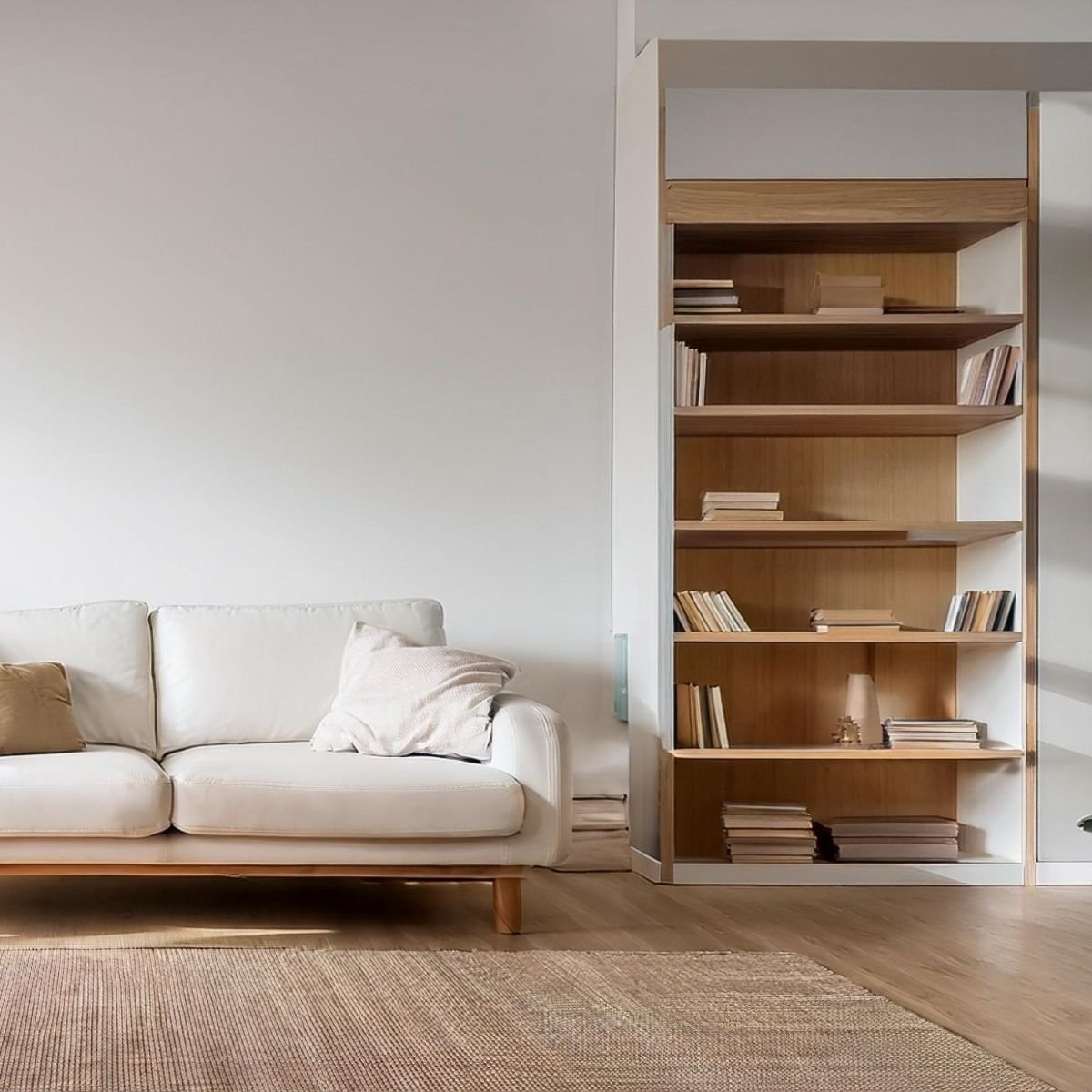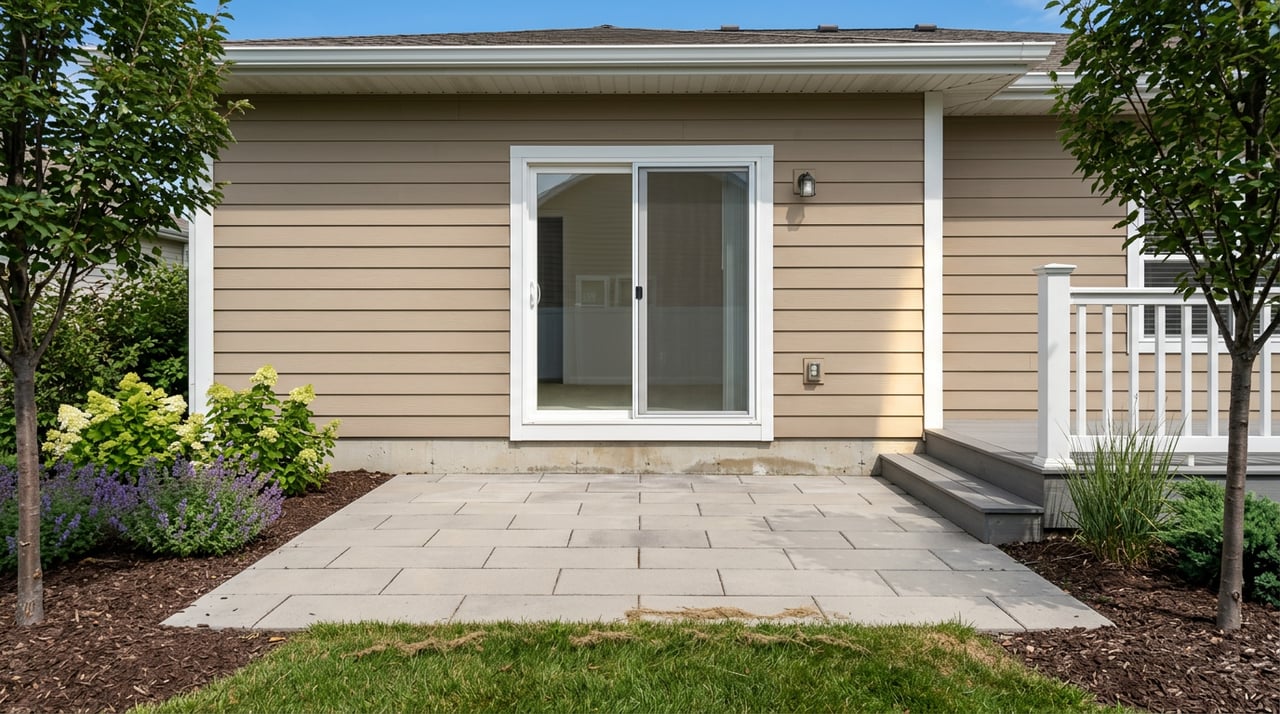
Looking for a small market where your first rental or next flip can pencil? Seward gives you steady demand, approachable price points and a simple product mix that is friendly to small investors. You want clear numbers, realistic timelines and a plan you can execute without guesswork. This guide breaks down Seward’s rent drivers, price levels, renovation priorities, taxes and permitting, plus quick screening formulas you can use today. Let’s dive in.
Why Seward works for small investors
Seward sits about 27 miles from Lincoln, which gives you commuter demand without big-city pricing. The city’s population is roughly 7,752 as of mid‑2024, which keeps the market compact and easier to learn quickly. You can cover submarkets in a weekend and get a feel for the housing stock and turnover trends. U.S. Census QuickFacts shows Seward’s current population snapshot.
Recent market snapshots from major data providers place typical home values around the low‑to‑mid $300,000s, with median listing and sale prices clustering between roughly $297,500 and $313,500. Inventory tends to stay tight, and median days on market often hover near two months in winter. In a smaller market like this, individual listings can move quickly when they are priced well and show clean inspections. Use current MLS sold comps for exact pricing when you underwrite a deal.
Housing mix favors repeatable strategies
Seward’s 68434 ZIP code is predominantly single‑family, at about 79 percent of units, with roughly 20 percent multi‑family or other housing types. That tilt supports simple, repeatable flip scopes and buy‑to‑rent plays focused on small detached homes. See the ZIP‑level housing mix summary derived from ACS DP04 data on ZIP‑Codes.com.
Who rents in Seward
Student and workforce demand
Seward’s rental demand is anchored by a stable mix of university and local employers. Concordia University’s Seward campus reported 1,200+ on‑campus undergraduates in fall 2024, which supports consistent demand for smaller houses and roommate‑share setups during the academic year. Year‑round, employers such as manufacturing firms, health care, education and retail create steady workforce housing needs. Review the county’s employer landscape via Cultivate Seward County’s economic development overview.
Rent levels to set expectations
Platform snapshots put average asking rents near $1,250 per month across all unit sizes, while the U.S. Census 2019–2023 5‑year estimate shows a median gross rent around $986. Bedroom‑level guidance from recent market summaries often looks like this:
- 1‑bedroom: about $750
- 2‑bedroom: about $1,000
- 3‑bedroom: about $1,325
These are starting points, not final numbers. Actual rent depends on condition, parking, proximity to campus or major employers, and whether you are marketing to students or local households. Cross‑check with active local listings and a property manager before you commit.
Seasonality and leasing cadence
Expect a tighter leasing window ahead of the fall semester and around graduation, when student‑oriented homes and smaller 2–3 bedroom units tend to go first. Employment changes at local plants can also create short bursts of demand. You can track business activity and community resources via Seward County’s economic development page.
Flip opportunities in Seward
Property types that work
Given the market’s single‑family tilt, flippers often succeed with:
- Older bungalows and ranches that need cosmetic updates
- 3–4 bedroom corner‑lot homes with good light and garage access
- Small multi‑family buildings with 2–4 units when they surface
The repeatable play is a clean, midrange refresh that removes inspection red flags and boosts curb appeal. The 68434 ZIP’s single‑family share supports this strategy, backed by the ZIP‑level ACS housing mix summary.
Renovations that attract buyers and renters
You do not need a full gut to win in Seward’s price bands. National benchmarks from Remodeling Magazine’s Cost vs. Value report are a useful compass when prioritizing scope:
- Minor kitchen remodel, midrange: average job cost about $28,458 with an estimated resale value of roughly $32,141 on the national average
- Midrange bath remodel: average job cost about $26,138 with an estimated resale value near $20,915
- Garage and entry door replacements are among the highest recoup projects
Use the Cost vs. Value 2025 report to guide your priorities, then replace those benchmarks with local contractor quotes.
Timelines and contractor capacity
For planning, lean on simple timelines used by experienced investors:
- Cosmetic refreshes with paint, floors, fixtures and minor kitchen or bath work can often finish in about 4 to 12 weeks
- Mid‑size rehabs with layout changes, systems and full kitchens typically take 3 to 6 months from demo to list
Industry guidance and investor communities consistently cite this cadence. Review a timeline overview from BiggerPockets, then add cushion for permits, weather and small‑city contractor scheduling. In Seward, get at least three local bids and confirm permit timing with the city before you buy.
Underwrite with local rules in mind
Permits, inspections and floodplain checks
The City of Seward requires permits for construction, moving, additions and structural changes. A permit must be started within 180 days or it expires, and substantial completion is generally expected within two years unless extended. The city also reviews permits for floodplain impacts. Build your schedule around these checkpoints and talk with the building official early. You can read the permit rules in the City of Seward code.
Property taxes and carrying costs
Budget taxes with the county average rate in mind until you confirm the parcel’s assessed value. Nebraska’s 2024 Consolidated Tax Levy lists Seward County at about 1.2175 percent. Verify the exact assessed value and payment schedule with the county before you close. See the Nebraska Department of Revenue’s 2024 average tax rate table and the Seward County Treasurer’s tax page.
Quick screening formulas you can trust
Use simple heuristics to filter deals before you invest hours in a full model:
- The 50 percent rule for rentals: assume half of gross rent goes to operating expenses, excluding mortgage principal and interest. It is a quick way to estimate net operating income for a first pass.
- The 70 percent rule for flips: your maximum offer equals 70 percent of the after‑repair value minus rehab, closing, holding and selling costs.
These are not a substitute for detailed underwriting, but they are useful first screens. You can explore common investor rules of thumb and workflows through BiggerPockets.
Simple pro formas for Seward
These examples use recent market snapshots to illustrate the math. Replace the inputs with MLS comps, current rent surveys and line‑item contractor bids before you act.
A) Buy‑to‑rent quick screen
- Example purchase value baseline: about $301,686
- Example achievable average rent: about $1,250 per month, or $15,000 per year
- Gross yield: $15,000 divided by $301,686 is about 4.98 percent
- Using the 50 percent rule, expenses would be about $7,500, leaving an estimated NOI of about $7,500 and an implied cap rate near 2.5 percent
Taxes are part of those expenses. At a 1.2175 percent county average, property tax on a $301,686 value would be roughly $3,670 annually. Confirm the exact assessed value and exemptions for the parcel before finalizing your pro forma.
B) Flip quick screen
- If your ARV is a conservative $330,000 and your rehab budget is $40,000, the 70 percent rule gives a max buy price near $191,000
- Calculation: $330,000 times 0.70 equals $231,000, then subtract $40,000 for rehab
- Be sure to include closing, carrying and selling costs when you set your actual offer
Renovation scope priorities
Focus on improvements that move the needle for resale or rent without over‑building for the market:
- Curb appeal: paint, front door, garage door, lighting and simple landscaping
- Kitchens: midrange updates like cabinet refacing, new counters and appliances
- Baths: midrange finishes that feel fresh and easy to clean
- Systems and safety: HVAC, water heater, electrical and roof items that trigger inspection issues
- Cosmetics: flooring, interior paint and lighting to present a turnkey product
These align with national ROI patterns from Cost vs. Value 2025. Pair those insights with local contractor pricing to stay on budget.
Your next steps in Seward
- Pull 6 to 12 months of on‑MLS sold comps for your target block and product type.
- Price rent using active and recent leased comps for the exact bedroom mix, then layer in seasonality.
- Get three contractor bids with clear line items and a realistic schedule. Include permit and inspection timing.
- Verify utilities, floodplain status and any special assessments before you write an offer.
- Model taxes using the county average rate, then refine with the parcel’s assessed value.
- For flips, sequence your scope to hit market windows tied to local leasing or school calendars.
If you want a second set of eyes on scope, budget, comps or exit strategy, you can lean on a team that blends brokerage and building experience. The Home Team pairs construction insight with local market knowledge to help you reduce risk and make confident offers. Start your home journey — schedule a free consultation with The Home Team.
FAQs
What should first‑time investors know about Seward’s market size and price range?
- Seward is a compact city of about 7,752 residents with typical home values in the low‑to‑mid $300,000s, which makes it easier to learn quickly and target small single‑family rentals or flips.
How much rent can a 3‑bedroom Seward home achieve in 2026?
- Recent summaries suggest around $1,325 per month for a 3‑bedroom in average condition, but you should confirm with active comps and a local property manager since location, parking and finishes can shift the number.
Do I need a building permit for common flip work in Seward?
- Yes, the city requires permits for construction, moving, additions and structural changes, permits must be started within 180 days and are generally expected to be substantially complete within two years; review the specifics in the City of Seward code.
How do Seward County property taxes affect my rental cap rate?
- Using the county’s average rate of about 1.2175 percent helps you estimate taxes early, then refine your cap rate once you confirm the parcel’s assessed value with the Seward County Treasurer and the rate table from the Nebraska Department of Revenue.
Who are the main rental demand drivers in Seward, Nebraska?
- Student demand from Concordia University’s on‑campus population and workforce demand tied to local employers listed by Cultivate Seward County support steady leasing across seasons.
What flip timelines should I plan for in Seward’s small‑city contractor environment?
- Plan 4 to 12 weeks for cosmetic projects and 3 to 6 months for mid‑size rehabs, then add cushion for permits, weather and scheduling; see a timeline overview from BiggerPockets.
Is Seward mostly single‑family homes or multi‑family properties?
- Single‑family homes make up about 79 percent of housing units in ZIP 68434, which supports repeatable single‑family rental and flip strategies; see the ACS‑derived summary on ZIP‑Codes.com.